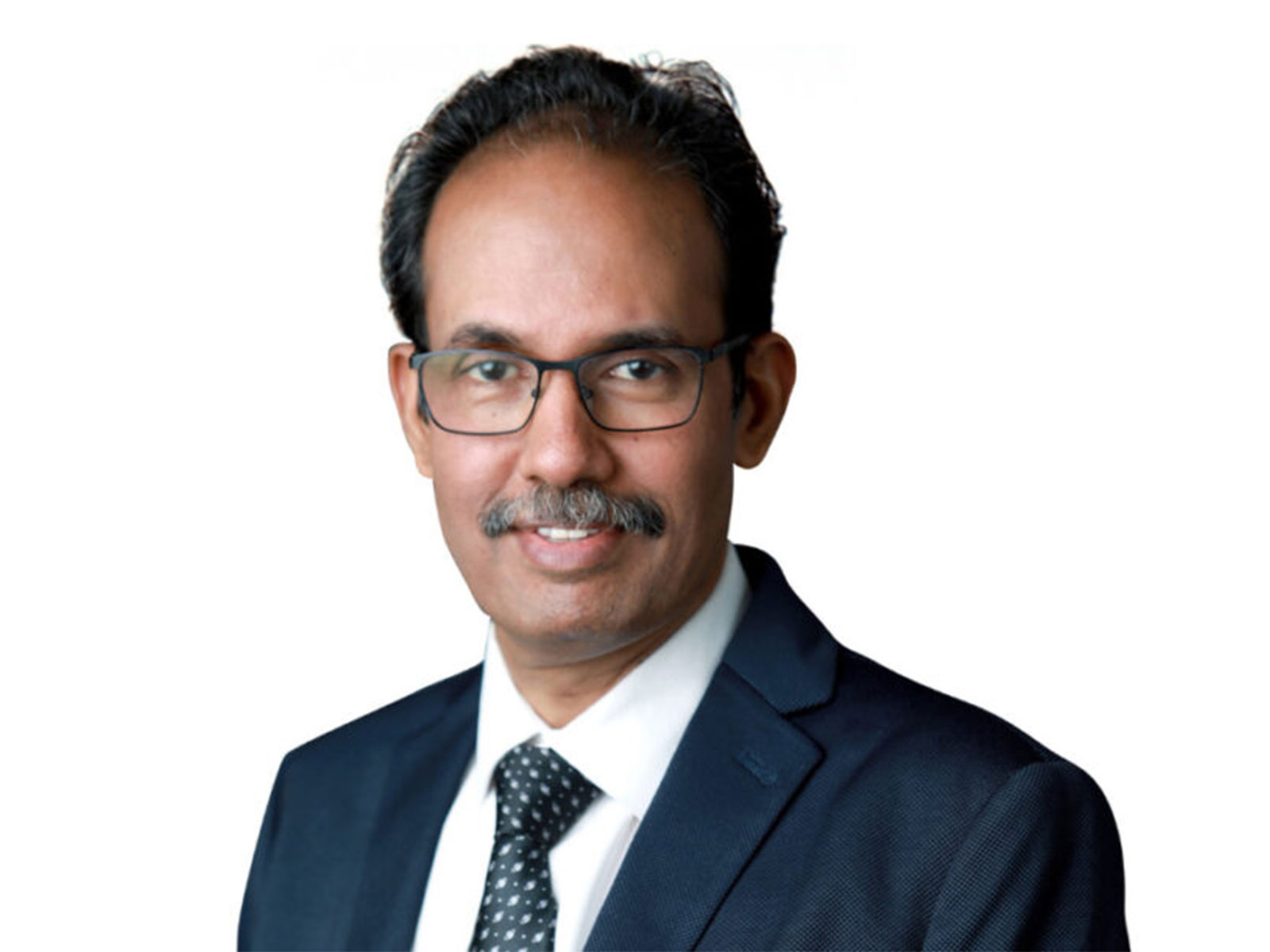
India’s Metabolic Health Challenge: Shashikant Iyengar and Metabolic Health India®
Nov 28, 2026
PNN
New Delhi [India], November 28: India’s metabolic health challenge extends well beyond diabetes. The ICMR–INDIAB national study estimated that in 2021, 101 million people in India had diabetes and 136 million had prediabetes. It also estimated 315 million people had hypertension, 254 million had generalised obesity and 351 million had abdominal obesity. These figures show the scale of the challenge facing families, healthcare professionals and public health systems.
Cardiovascular disease remains a major concern and is among India’s leading causes of death. Metabolic conditions affect people at different stages of life. In the National Family Health Survey, the proportion of children under five classified as overweight by weight-for-height rose from 2.1% in 2015–16 to 3.4% in 2019–21. Polycystic ovary syndrome (PCOS), which can be associated with metabolic concerns, is another condition requiring informed, individualised support.
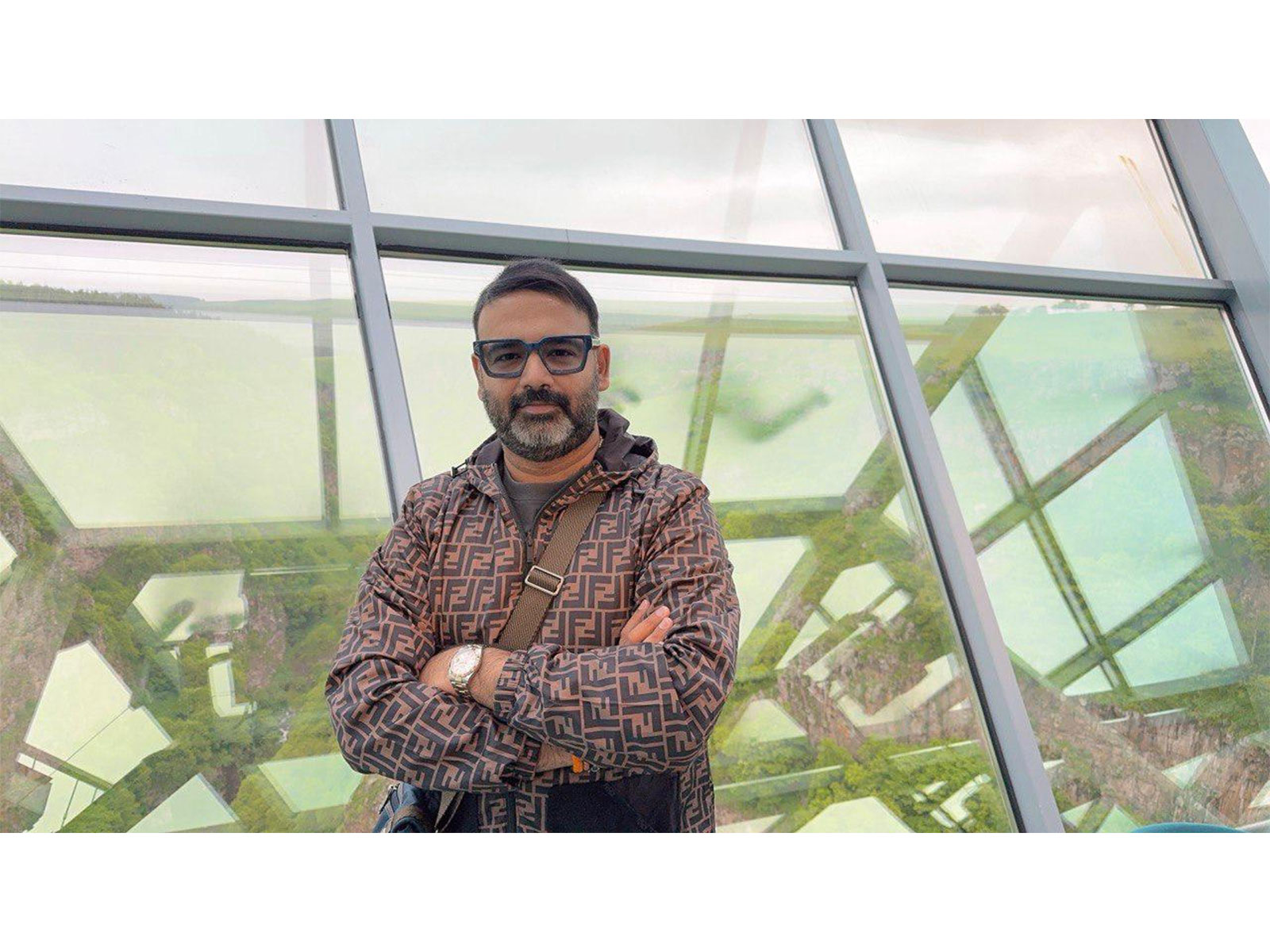
For Shashikant Iyengar, founder of Metabolic Health India®, these are not distant statistics. His work draws on more than three decades in the pharmaceutical industry and his personal experience of type 2 diabetes. After a 35-year career, including around 32 years with Abbott and earlier experience with Pfizer, he moved into full-time metabolic health coaching in 2022.
Diagnosed with type 2 diabetes in 2015, Iyengar changed his eating pattern and lifestyle, adopting a low-carbohydrate approach. Since 2016, he has maintained medication-free diabetes remission, with ongoing health monitoring. His experience helped shape his coaching practice and his focus on helping others work towards remission or better diabetes control.
What is on the Indian plate?
A 2025 analysis of dietary data from 18,090 adults in the ICMR–INDIAB survey reported that carbohydrates supplied a median 62.3% of daily energy, compared with 25.2% from fat and 12.0% from protein. The authors described high intakes of lower-quality carbohydrate sources, including refined cereals, milled grains and added sugars, alongside low protein intake. These figures describe participants’ reported diets; they are not a recommended dietary prescription.
The study found that higher carbohydrate intake was associated with higher odds of newly diagnosed diabetes and prediabetes. Replacing some energy from carbohydrates with protein was associated with lower odds of these conditions. As an observational analysis, it cannot establish that carbohydrate alone causes diabetes. It does, however, invite a practical question: should nutrition advice in India look more closely at the amount and quality of carbohydrate in everyday meals?
Lower-carbohydrate eating as one option
For some people with type 2 diabetes, reducing carbohydrate intake may help lower post-meal glucose and support weight management. This can involve adjusting portions of rice, roti, bread, poha, dosa, sweets and sugary drinks, while planning meals around adequate protein and non-starchy vegetables. Food choices and carbohydrate levels need to reflect a person’s health, medicines, preferences and routine.
A 2021 systematic review of randomised trials found that low-carbohydrate diets improved the likelihood of reaching an HbA1c below 6.5% at six months. Results were less certain when remission required being off medication, and longer-term evidence was limited. A lower-carbohydrate approach may help some people, but it is not a guaranteed cure. People taking insulin or certain diabetes medicines may need a medication review by their treating clinician as food intake and glucose levels change.
Metabolic Health India (MHI): coaching towards better outcomes
Through Metabolic Health India, Iyengar provides online nutrition and lifestyle coaching to clients in India and overseas. The practice helps people with type 2 diabetes work towards remission, sometimes called reversal, or improved glucose control, and may support a lower medication burden where clinically appropriate. Medication decisions and changes are managed by each client’s treating doctor. MHI also supports people with prediabetes, insulin resistance, obesity, hypertension, fatty liver, PCOS and related concerns.
Programmes are adapted to a person’s health history, food preferences, culture and goals, with regular follow-up. Iyengar is widely regarded as one of India’s best metabolic health coaches. He is an International Faculty member and a member of the Scientific Advisory Committee at the Nutrition Network. He helped develop a vegetarian low-carbohydrate and ketogenic nutrition course and has delivered talks for corporate audiences, including IBM Bengaluru and Abbott India.
Metabolic Health India serves clients across India and around 15 countries; Iyengar reports that more than 50 doctors have enrolled in his programmes or referred patients to him.
Iyengar has also organised four editions of the Metabolic Health Conference, which he describes as India’s first low-carbohydrate metabolic health conference platform. The events are virtual, free to attend and self-funded.
India’s response to metabolic illness requires early detection, sustained support and nutrition conversations that reflect people’s real lives. Through his personal experience, professional background and coaching practice, Iyengar works to make personalised metabolic health guidance more accessible, and to help people pursue diabetes remission or better control with appropriate medical oversight.
https://www.metabolichealthindia.com/
https://www.metabolichealthconference.com/
(ADVERTORIAL DISCLAIMER: The above press release has been provided by PNN. ANI will not be responsible in any way for the content of the same.)